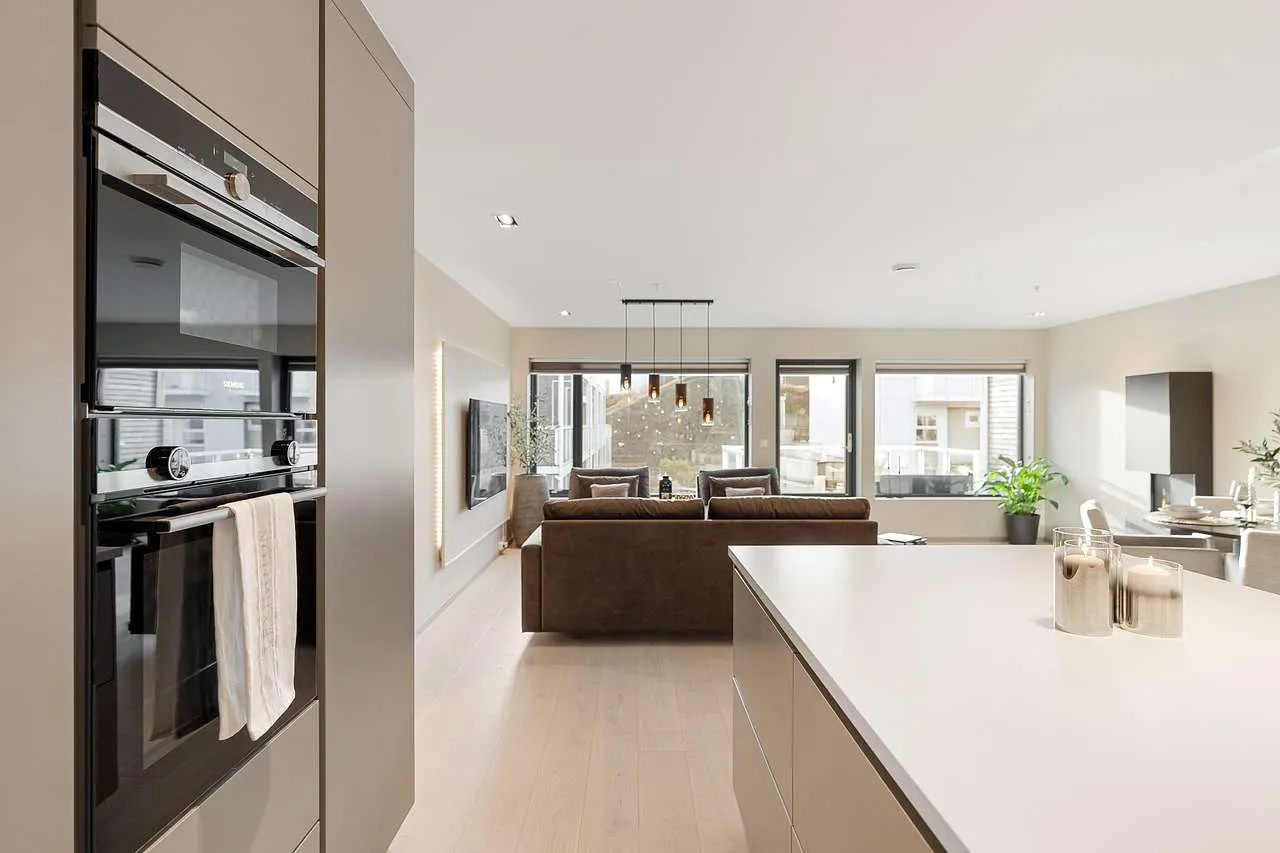
Overview of home window tinting
Home window tinting uses a thin film applied to interior window glass to control heat, glare, and UV transmission. When installed by a licensed professional, it can improve comfort and energy efficiency without changing the exterior appearance of a home.
What is home window tinting
Window tinting for homes involves applying a UV stable film to glass. It reduces solar heat gain, blocks UV rays that fade furnishings, and enhances privacy while preserving natural light for living spaces.
Benefits of home window tinting
- Heat reduction and lower cooling costs during hot seasons
- UV protection that preserves furniture, floors and artwork
- Increased privacy with minimal loss of daylight
- Glare control for TVs and computer screens
- Enhanced safety by holding shattered glass together in accidents
Types of window tint for homes
Different tint technologies offer varying levels of heat rejection, glare control and durability. The right choice depends on climate, budget and building orientation.
| Tint Type | Heat Rejection | Privacy/Glare | Durability | Estimated Cost (per sq ft) | |
|---|---|---|---|---|---|
| Dyed | Moderate | Low to moderate privacy | Lower durability | $3–$6 | Afforda ble option with color stability concerns over time |
| Metalized | High | Good privacy | Good durability | $5–$9 | Reflective look and potential signal interference on some devices |
| Ceramic | Very High | Excellent privacy control | Excellent durability | $8–$12 | Non reflective, best for preserving visibility and interior brightness |
| Hybrid | Good | Balanced privacy | Moderate durability | $6–$10 | Balanced performance at a moderate cost |
How to choose the right tint and installer
Start by assessing climate and sun exposure in each room. Consider how much daylight you want to retain and the level of privacy required. Look for films with UV stabilization and a manufacturer warranty. For best results, hire a licensed window film installer who can provide samples, confirm local regulations, and ensure a precise fit. Verify that the installer carries liability coverage and offers a clear warranty on the film and installation.
Professional installation versus DIY
- Professional installation delivers a uniform finish, reduces air bubbles and ensures long term performance
- DIY kits are available for simple apps, but misapplication can cause hazy film or improper adhesion
- Consider building codes and HOA rules before installation, as some areas restrict reflected or tinted windows
- Professional work often includes measurement perfection and post installation cleaning
Maintenance and safety
Maintenance is minimal, usually involving gentle cleaning with a soft cloth and non abrasive cleaner. Avoid ammonia based products as they can degrade the film over time. If you notice peeling, bubbling or edges lifting, contact the installer for inspection and potential reapplication. High quality films tend to resist fading and cracking for many years when properly installed.
Comparison snapshot
The following quick look helps in selecting a tint type based on needs
| Need | Best Tint Type | Why |
|---|---|---|
| Highest heat rejection | Ceramic | Excellent heat control with minimal glare |
| Budget friendly | Dyed | Low upfront cost, but shorter lifespan |
| Privacy without heavy reflectivity | Ceramic or Hybrid | Clear visibility and moderate reflectivity |
Summary of EEAT oriented tips to maximize value
Choose a licensed installer with a solid warranty, request samples to compare appearance and performance, and ensure the film is tested for durability and UV protection. Consider room by room needs such as west facing windows and large glass doors where heat and glare are most noticeable. With the right tint type and professional installation, a home can enjoy cooler summers, preserved interiors, and enhanced daily comfort.
Conclusion, home window tinting offers a practical balance of heat control, UV protection, privacy and cost efficiency. By choosing the right tint type, working with a licensed installer, and performing regular maintenance, homeowners can enjoy year round comfort and longer lasting interiors.