Choosing bathroom tile is more than a color selection. The right tile material, size, and installation plan protect against moisture, prevent slips, and add lasting value to your home. This guide distills expert recommendations and practical tips for selecting, installing, and maintaining bathroom tile to meet both design goals and real-world durability.
Choosing the Right Bathroom Tile
Material Options
Ceramic tile is a versatile, budget-friendly option ideal for shower stalls, walls, and backsplashes. It comes in a wide range of colors and textures, but may be less durable in high-traffic floors compared with porcelain. Porcelain tile, a denser and more water-resistant variant of ceramic, is a popular choice for floors and wet areas due to its low porosity and strong break resistance. Natural stone tile—such as marble, travertine, or slate—offers a luxurious, timeless look but requires regular sealing and maintenance to prevent staining and etching in damp environments. Glass tile creates reflective, contemporary surfaces that make small bathrooms feel larger, though it can show water spots and requires careful cleaning. Cement tiles provide bold patterns and a handmade appeal but may demand sealing and periodic upkeep to preserve color and resist staining. When selecting materials, consider slip resistance (look for a DCOF rating suitable for wet areas), maintenance tolerance, and whether the tile can handle radiant heating if planned for the space.
Size, Pattern, and Layout
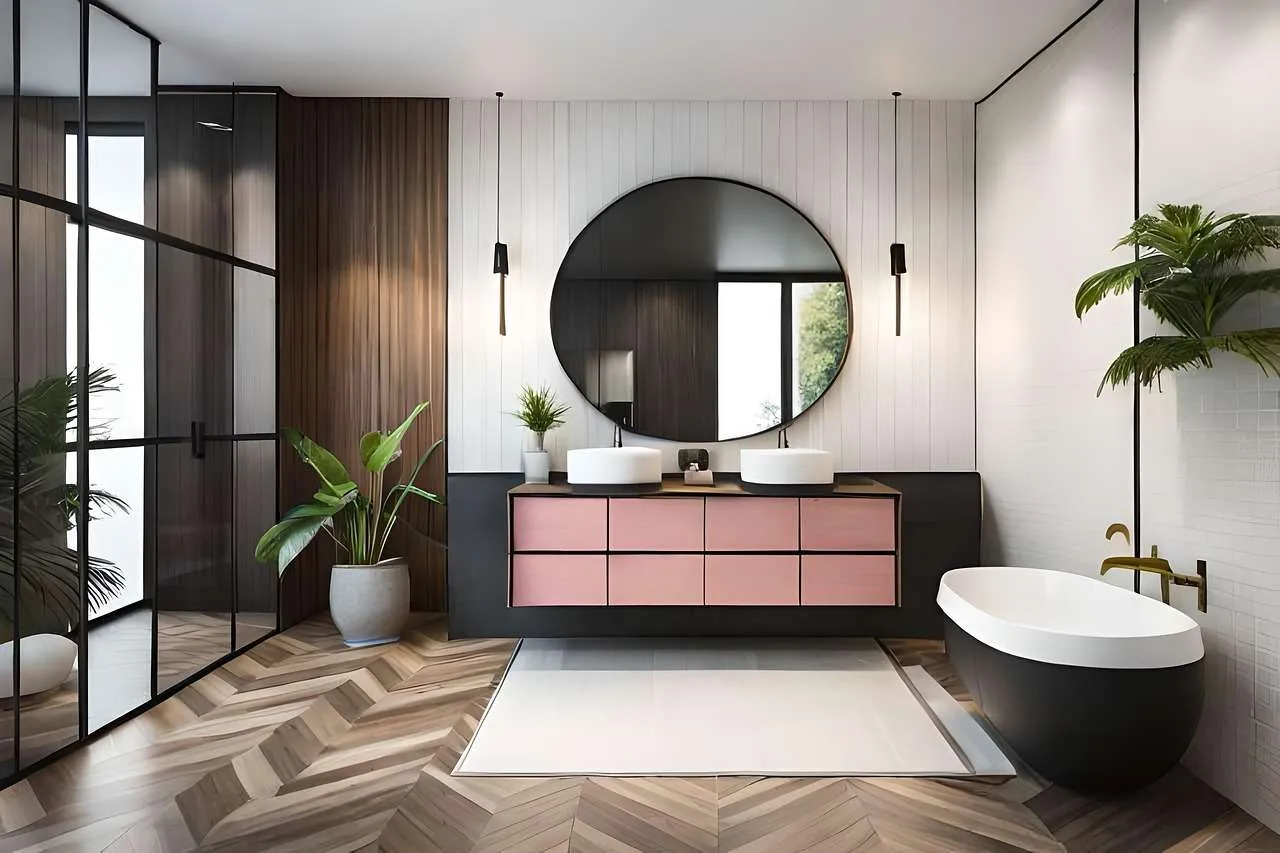
Tile size affects both appearance and practicality. Large-format tiles (12x24 inches or bigger) reduce grout lines and can create a sleek, expansive feel, but may require careful substrate preparation. Smaller tiles enable more intricate patterns such as herringbone, diagonal layouts, or checkerboard designs, which can add character but increase grout maintenance. A common strategy is to pair a bold accent tile with neutral field tiles for balance. When planning layouts, consider sight lines (where feet intersect at eye level on floors and walls), and avoid overly busy patterns in small bathrooms to maintain a sense of calm and space.
Finish, Grout, and Sealing
Finish choices range from matte to high-gloss. Matte finishes tend to hide smudges and fingerprints and perform well in wet areas, while gloss tiles can amplify light but show water spots. Grout choice matters: cement-based grout is common, but epoxy grout offers better stain resistance and easier cleaning in wet environments. Natural stone requires sealing to protect against staining and moisture; reseal as recommended by the manufacturer. For tactile safety, select textured or slightly profiled surfaces on shower floors and ramps, and ensure adequate slope to direct water toward drains.
Practical Considerations
- Water exposure: Bathrooms demand a waterproof substrate, proper moisture barriers, and quality backer boards beneath tile. Skipping waterproofing is a leading cause of future repairs.
- Slip resistance: Floors in wet areas should meet at least a moderate slip rating. Consider texture, not only color, for safety.
- Maintenance: Choose materials and grouts that fit your cleaning routine. Stone and darker grout shades often show fewer marks, but may require regular sealing.
- Durability vs. budget: Porcelain and ceramic offer great durability at varied price points. Natural stone elevates style but adds ongoing maintenance costs.
- Color and light: Light-colored tile can brighten a small bathroom, while darker grout adds contrast and depth when properly sealed.
Installation and Maintenance
Professional installation is recommended for any water-intensive space, especially when waterproofing and backer-board work is involved. A typical process includes substrate preparation, waterproofing membrane installation, backer board, thin-set mortar, precise layout, tile cutting, and grout. For stone or natural tiles, use appropriate sealers and follow the manufacturer’s cure times. Regular maintenance includes cleaning with non-abrasive cleaners, wiping down shower walls after use, and resealing stone or grout as required to preserve color and performance. If you plan to install radiant heating, verify tile compatibility and the installation limits specified by the tile and heating system manufacturers.
Cost and Value: Quick Comparison
| Material | Typical price per sq ft | Pros | Cons |
|---|---|---|---|
| Ceramic | $1–$5 | Affordable, broad selection, easy to install | Less durable on floors; lower impact resistance |
| Porcelain | $3–$10 | Dense, low porosity, good for wet areas | Heavier, cuts harder, cost higher than ceramic |
| Natural Stone | $5–$20 | Luxurious look, unique patterns | Porous (needs sealing), higher maintenance |
| Glass | $7–$20 | Reflective, modern aesthetic, low porosity | Water spots show easily; careful cleaning required |
| Cement | $3–$8 | Bold, customizable patterns | Sealing needed; color may fade with sun exposure |
Design Ideas and Trends
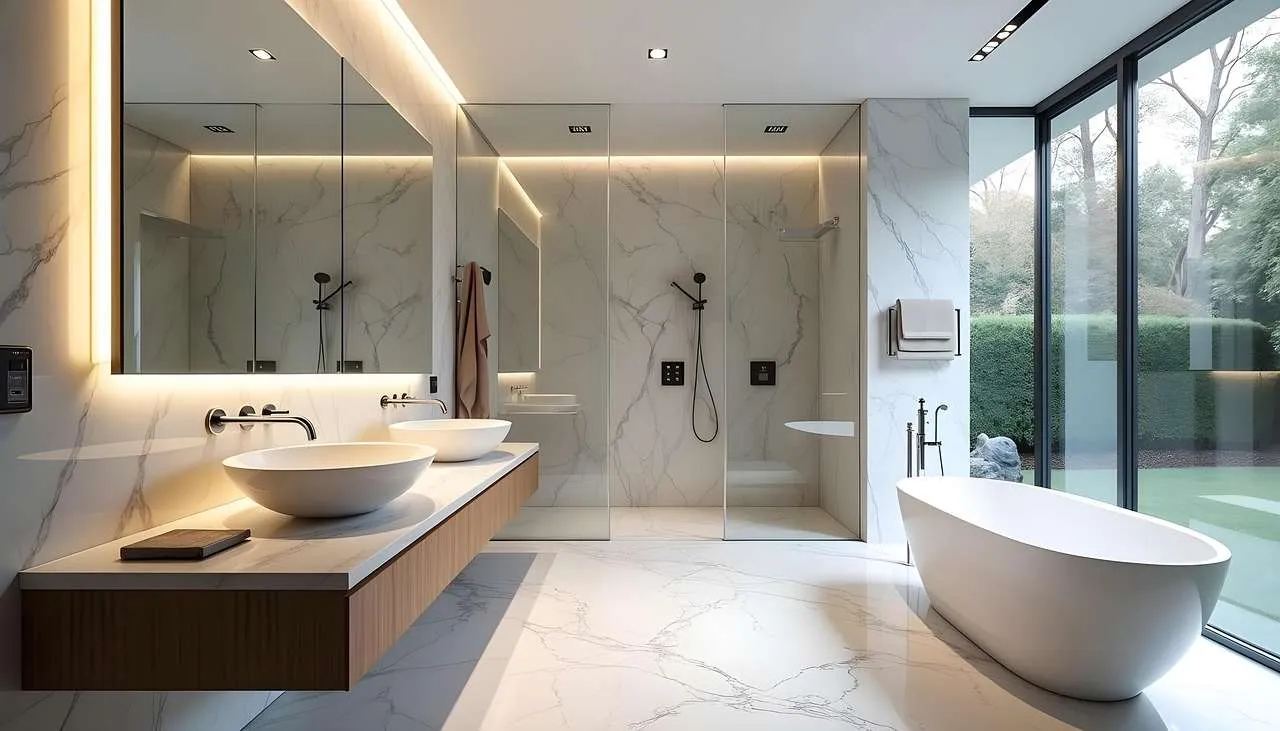
Trends favor timeless materials applied with modern layouts. Subway tiles remain a staple for walls, especially in bathrooms with white or pale grout for a clean, airy look. Large-format porcelain or ceramic tiles on floors create a seamless, spa-like feel, while accent mosaics or decorative trim add personality. Wood-look porcelain offers warmth with high water resistance, and bold colors or geometric patterns can serve as focal points in powder rooms. Pair complementary textures—matte field tiles with glossy trims or glass accents—to balance practicality and style. Always align trend choices with long-term durability and ease of maintenance, particularly in busy households.
In EEAT terms, this guidance reflects established industry practices: select moisture-rated materials, prioritize proper substrate preparation, and engage licensed professionals for installation and sealing. By combining technical know-how with stylistic awareness, you ensure a bathroom tile solution that stands up to moisture, looks great over time, and adds real value to your home.
Conclusion
Conclusion, choosing bathroom tile involves understanding material properties, layout options, maintenance needs, and cost. Prioritize moisture control, slip resistance, and long-term durability, then layer in your preferred color and pattern to achieve a balanced, enduring design. With careful planning and professional installation, your bathroom tile will perform reliably while elevating the space’s look and feel for years to come.